



The Rise of Duck Farming and the Growing Popularity of Duck Eggs
In recent years, duck farming has quietly been gaining popularity around the world — and for good reason. As consumers become more health-conscious and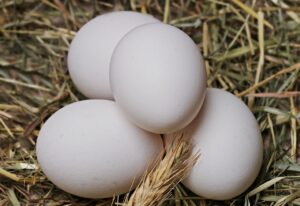 environmentally aware, many are turning to duck eggs as a superior alternative to traditional chicken eggs.
One of the main advantages of duck farming is the natural resilience of ducks. Unlike chickens, ducks are far less prone to common poultry diseases, which means they require little to no antibiotics or chemical treatments. They thrive in a wide range of environments, are hardy against weather changes, and often live longer, healthier lives. This makes duck farming not only more sustainable but also produces cleaner, more natural food products.
Duck eggs themselves are a powerhouse of nutrition. They are larger than chicken eggs, with richer yolks and higher concentrations of essential nutrients such as omega-3 fatty acids, vitamin B12, iron, and selenium. Their higher protein content makes them especially valuable for athletes and those following high-protein diets. Additionally, duck eggs have a thicker shell, giving them a longer shelf life and better protection from bacteria.
Culinarily, duck eggs are celebrated for their creamy texture and rich flavor. Bakers prize them for producing fluffier cakes and pastries, while chefs appreciate their depth of taste in gourmet dishes.

As consumers look for healthier, more natural, and sustainable food choices, duck farming stands out as a promising alternative. With fewer diseases, minimal need for medication, and a superior nutritional profile, duck eggs are fast becoming a symbol of wholesome, natural living — a small but meaningful step toward better health and a more sustainable future.